5 Calming Bedtime Activities That Don't Involve a Screen

The gap between "TV off" and "in bed" is where bedtime falls apart. Without something to fill it, children either wind themselves up or melt down because the entertainment stopped.
These five activities are designed to slot into that gap. They're calm, simple, require almost no preparation, and — most importantly — they're things children will actually agree to do.
1. The "tell me" game
How it works: Ask your child one question. Just one. And then listen.
- "Tell me the funniest thing that happened today."
- "Tell me about something kind someone did."
- "Tell me what you're most looking forward to tomorrow."
Why it works: This is connection disguised as a game. Children — especially the 3-7 age group — are natural storytellers, and they crave your undivided attention. One question is enough to make them feel heard.
It also helps their brain process the day. Psychologists call this narrative construction — the act of turning experiences into stories helps children make sense of their emotions. A child who tells you about a hard moment at school is already halfway to processing it.
Time needed: 5 minutes. Don't extend it — one question keeps it special.
2. Breathing buddies
How it works: Your child lies down and places a stuffed animal on their tummy. They breathe in slowly (the toy rises) and out slowly (the toy falls). The goal is to give their buddy the "smoothest ride possible."
Why it works: This is a child-friendly version of diaphragmatic breathing, which directly activates the parasympathetic nervous system — the body's "calm down" switch. Making it about the stuffed animal shifts focus away from "you need to calm down" (which never works) toward a fun, gentle challenge.
Time needed: 3-5 minutes. Most children are visibly calmer by the end.
Works best for: children aged 3-6 who struggle with the physical transition from awake energy to sleep mode.
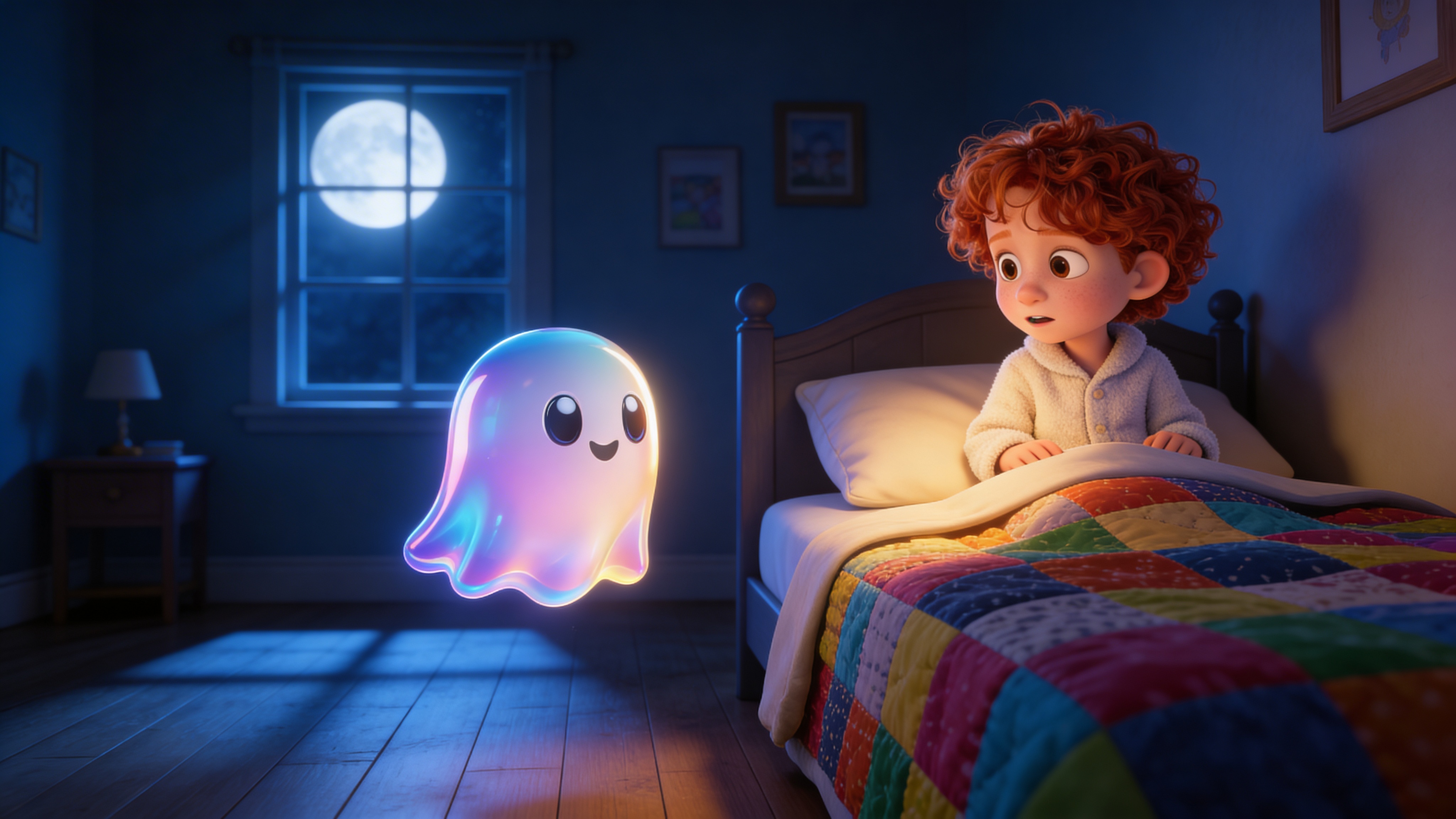
3. Story time (the real kind)
How it works: Read a book together. A physical book — pages, weight, illustrations you can point at.
Why it works: You already know reading is good. But at bedtime specifically, it works on three levels:
- Routine signal. "Story time" becomes the cue that sleep is approaching. Over time, the brain associates the activity with winding down.
- Imagination without stimulation. Unlike screens, a book activates the imagination gently. The child fills in the gaps — what the character's voice sounds like, what the world looks like beyond the page. This is calming, creative mental activity.
- Connection. A child being read to is a child with a parent's full attention, warmth, and voice. It's the most natural wind-down activity humans have had for thousands of years.
Pro tip: For children who resist bedtime, a personalised book — one where they're the main character — can turn story time from a routine step into the part of bedtime they look forward to most.
Time needed: 10-15 minutes.

4. Drawing or colouring (with limits)
How it works: Give your child a small piece of paper (not a full pad — the constraint matters) and a few crayons or pencils. No instructions. Let them draw whatever they want.
Why it works: Drawing is meditative. The hand moves, the brain focuses on colour and shape, and the body calms down. The key is keeping it small and low-pressure — no "draw the best thing" or "finish the picture." Just a small piece of paper and a few minutes of quiet creation.
Important: Avoid markers (too stimulating, too many choices) and avoid anything that requires decisions about what to draw. If they're stuck, say: "Draw what tonight's dream will look like." That's enough.
Time needed: 5-10 minutes. Set a gentle timer so it doesn't extend into procrastination.
Works best for: children aged 4-8 who need something to do with their hands while their mind slows down.
5. The body scan ("goodnight to your toes")
How it works: Your child lies in bed and you guide them through saying goodnight to each body part:
"Goodnight toes. Goodnight feet. Goodnight knees..." all the way up to "Goodnight eyes. Goodnight brain. Goodnight you."
Why it works: This is a simplified body scan meditation, adapted for children. It draws attention progressively through the body, which has a natural relaxation effect — by the time you reach "goodnight brain," many children are already half-asleep.
You can make it playful: "Tell your toes they did a great job today running around the garden" or "Tell your hands thank you for all the drawing they did."
Time needed: 3-5 minutes.
Works best for: all ages, but especially effective for children aged 2-5. Many parents report this becoming a requested part of the routine within days.

Putting it together
You don't need to do all five. Pick two or three that fit your child and your evening, and rotate as needed.
A realistic screen-free wind-down looks like:
- TV/tablet off → transition activity (the "tell me" game or drawing)
- Into pyjamas + teeth
- Into bed → story time + body scan or breathing buddies
- Lights down → goodnight
That's 20-25 minutes from screen-off to sleep. Not a huge time investment, but the difference in how quickly and calmly your child falls asleep can be dramatic.
Looking for a bedtime story that your child will actually ask for? The Night We Found the Stars is a personalised book where your little one is the hero — see them in the story in 60 seconds with a free preview.
Explore our books
Funny, heartwarming picture books about big feelings — on Amazon and as personalized storybooks.
Browse our booksEnjoyed this post?
Get new stories, free coloring pages, and book recommendations — straight to your inbox.
No spam, unsubscribe anytime.