Gentle Ways to Help Your Child Sleep Alone

Your child can't sleep alone. They call out, come to your room, or need you lying next to them until they fall asleep. You're exhausted. They're anxious. And every article you read either suggests letting them cry it out or co-sleeping until they're ready — neither of which feels right.
Here's the thing: most children can learn to sleep alone. They just need a bridge between needing you there and being okay without you. These strategies build that bridge gradually.
First: understand what's actually happening
When a child can't sleep alone, it's rarely about the sleeping. It's about one of these:
- Separation anxiety — They're not afraid of the dark or the room. They're afraid you'll go away.
- Fear of the dark or of "something" — Their imagination is active and the dark removes the visual evidence that everything is fine.
- Habit — They've never fallen asleep without you, so they literally don't know how. It's not defiance; it's a missing skill.
- Sensory need — Some children need the warmth, weight, or sound of another person to feel regulated enough to sleep.
Knowing which one you're dealing with changes the approach.
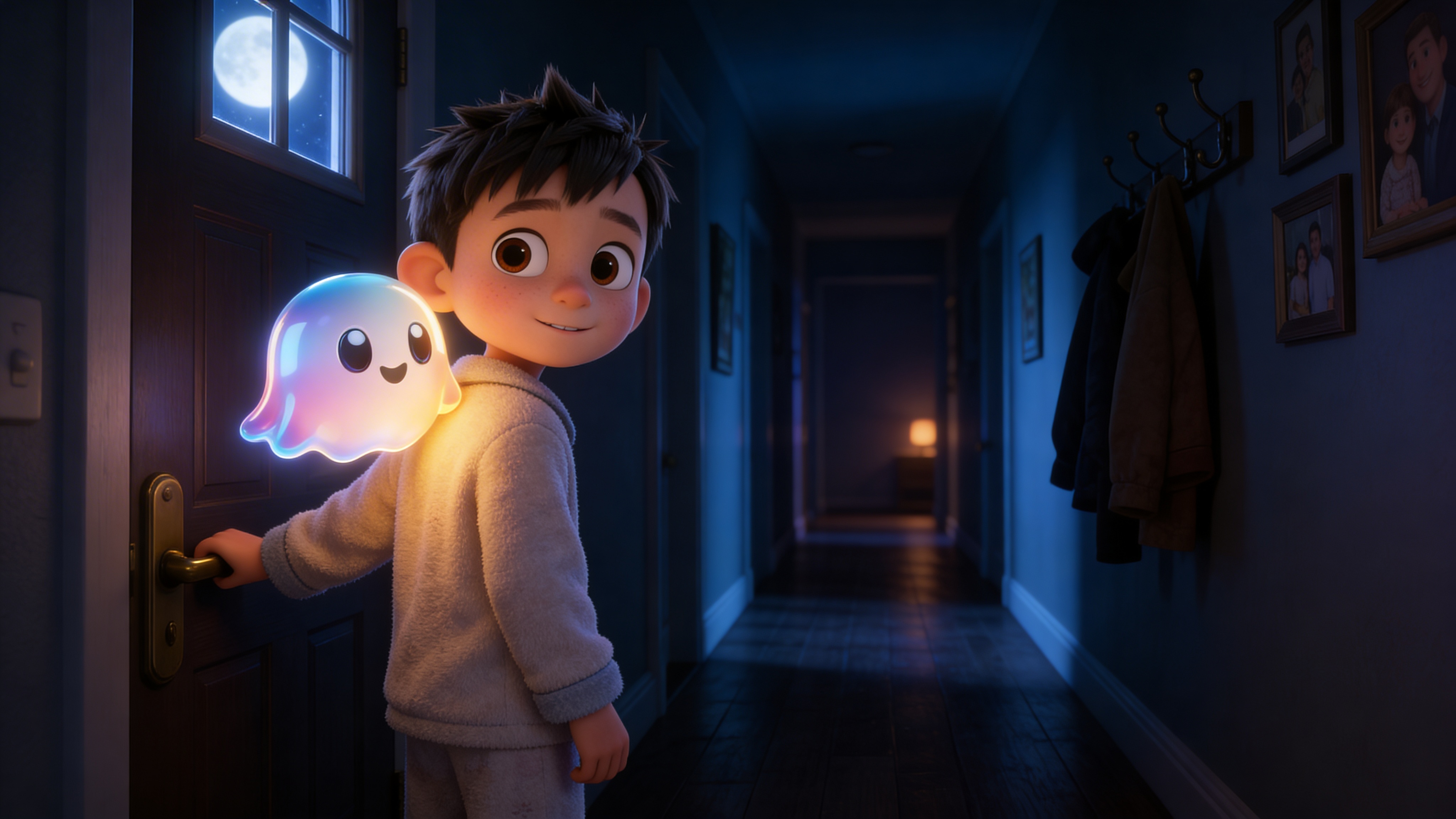
Strategy 1: The gradual retreat
Best for: separation anxiety, habit
This is the most widely recommended approach by paediatric sleep specialists, and for good reason — it works without tears.
Week 1: Sit on their bed while they fall asleep. Don't engage, don't talk much. Just be there. Read your own book (a real one, not a phone — the light matters).
Week 2: Move to a chair next to the bed.
Week 3: Move the chair to the middle of the room.
Week 4: Move to the doorway.
Week 5: Sit just outside the door, in view.
Week 6: Say goodnight and leave.
The key: Move at your child's pace, not a rigid schedule. If they regress, move back one step for a few days. Progress isn't linear, and that's fine.
Strategy 2: The "check-in" method
Best for: children aged 4+ who need reassurance but can understand a plan
Tell your child: "I'm going to go do something, and I'll come back and check on you in 3 minutes." Then actually come back in 3 minutes.
Next night: 5 minutes. Then 7. Then 10. Most children are asleep before the check.
Why it works: Your child isn't wondering if you're coming back — they know you are. The waiting is finite and predictable. You're not asking them to trust that you'll return; you're proving it, over and over, until the proof becomes belief.
Strategy 3: The "bridge object"
Best for: sensory need, younger children (2-4)
Give them something that carries your presence:
- A t-shirt you've worn (your smell is powerfully calming to young children)
- A specific stuffed animal that "keeps watch"
- A weighted blanket (the gentle pressure mimics being held)
- A small, battery-powered light they can control themselves
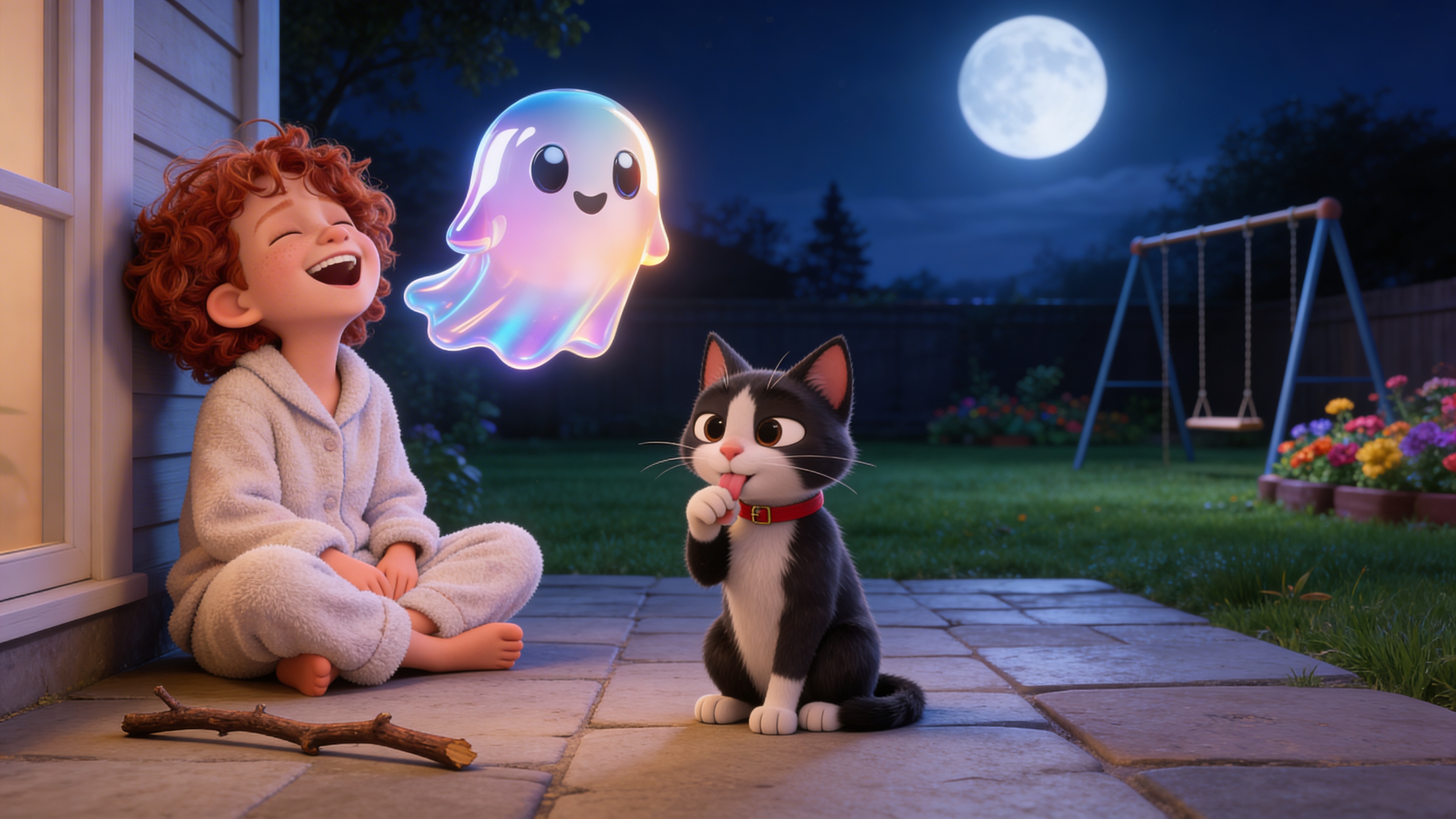
The object isn't a replacement for you — it's a reminder that you're nearby and that they have something they can rely on.
Strategy 4: Rewrite the bedtime narrative
Best for: fear of the dark, imaginative children
Sometimes the problem isn't a missing skill or separation — it's that your child has built a story about bedtime that's scary. "When the lights go off, bad things could happen."
You can't argue a child out of a story. But you can give them a better one.
This is where bedtime books do heavy lifting. A story where a character (ideally one who looks like your child) faces the dark and discovers it's not frightening — that reframes the whole experience.
A personalised book can be especially effective here, because the child sees themselves being brave in the story. It's not a hypothetical — it's "proof" that they can do it.
Read it as part of the routine, every night, for as long as they want. Repetition is how the new story replaces the old one.

Strategy 5: Reward the wins
Best for: all ages, especially 3-7
This isn't bribery — it's motivation. Children respond to visible progress.
A simple system:
- Every morning they stayed in their own bed, they get a sticker on a chart.
- After 5 stickers (not 20 — keep the goal close), they choose a small reward: a trip to the park, choosing dinner, an extra story at bedtime.
- Celebrate the stickers, not just the reward. "Look — three nights in a row! You're getting so good at this."
Important: Don't take stickers away for bad nights. The chart only goes forward. Regression is part of the process, not a failure.
What to expect
Most children who are "supported" through this transition (rather than forced) will sleep independently within 4-8 weeks. Some faster, some slower. It depends on their age, temperament, and what's driving the difficulty.
There will be setbacks. Illness, bad dreams, stressful events, even exciting events — all of these can temporarily undo progress. That's normal. You're not back to square one; you're back to step three, and they'll move through it faster the second time.
When it might be more than a phase
If your child is over 8 and the difficulty is getting worse, or if sleep anxiety is accompanied by daytime anxiety (stomach aches, school refusal, excessive worry), it's worth speaking to your GP or a child psychologist. Sleep difficulties can sometimes be a window into broader anxiety, and early support makes a big difference.
For children who are afraid of the dark, The Night We Found the Stars is a personalised bedtime story that helps reframe the dark as something magical — starring your child as the hero.
Explore our books
Funny, heartwarming picture books about big feelings — on Amazon and as personalized storybooks.
Browse our booksEnjoyed this post?
Get new stories, free coloring pages, and book recommendations — straight to your inbox.
No spam, unsubscribe anytime.