How Bedtime Stories Help Children Process Big Feelings

You read your child a bedtime story because it's part of the routine, or because they love it, or because the internet told you it's good for literacy. All true.
But something else is happening during those 10 minutes that's easy to miss: your child is learning how to feel.
The quiet power of narrative
When a child listens to a story, their brain doesn't just process language — it simulates experience. Neuroscientists call this narrative transportation: the reader (or listener) mentally enters the story world, experiencing the character's emotions as if they were their own.
For adults, this is what makes a good novel hard to put down. For children, it's something more fundamental: it's practice.
A child listening to a story about a character who feels scared, or angry, or left out, gets to:
- Feel the emotion in a safe, controlled way (it's not happening to them)
- See it named ("She felt a tight knot in her tummy. That was worry.")
- Watch it resolved (the character finds a way through)
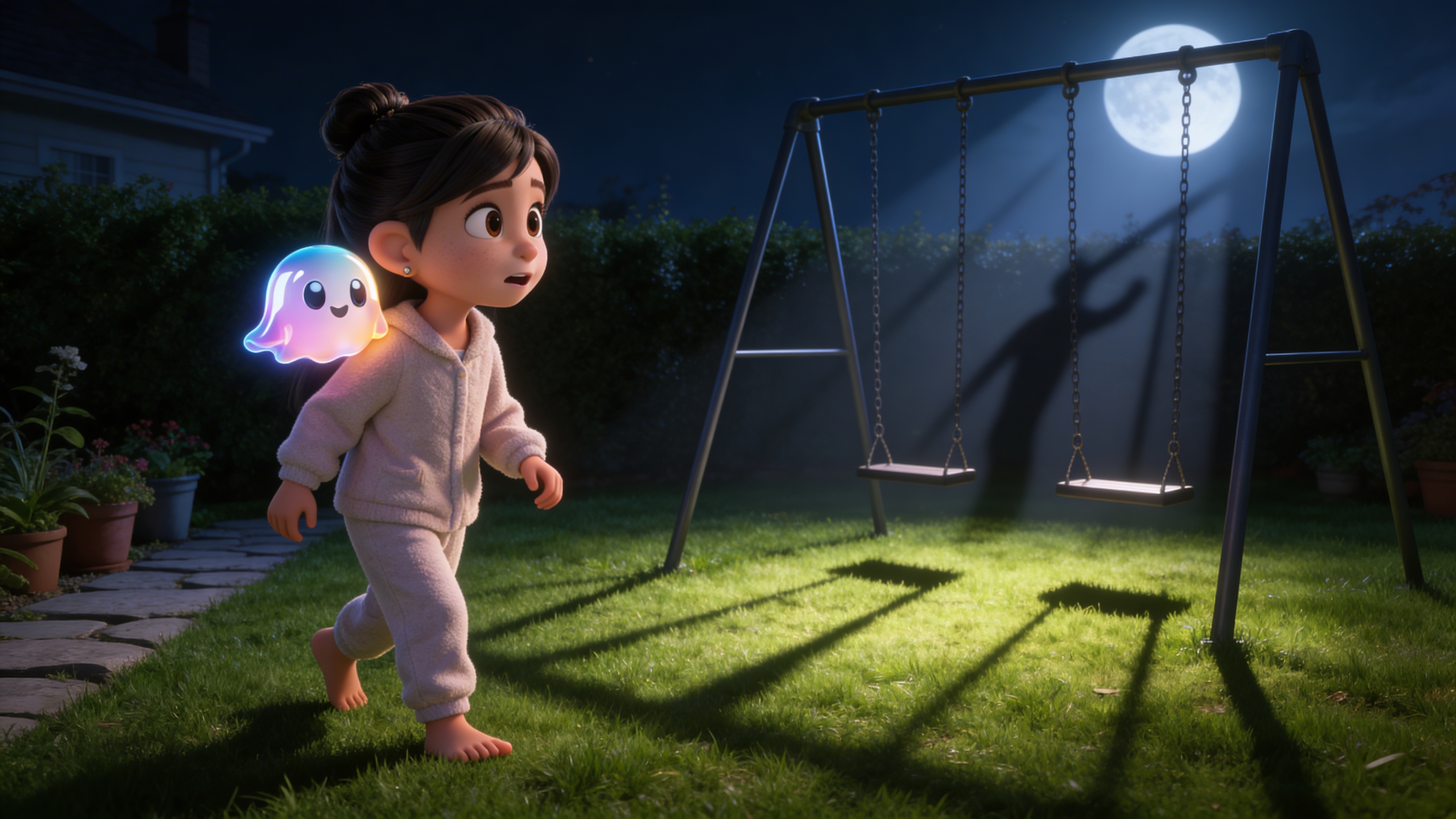
This is, in essence, what therapists call emotional rehearsal — practising difficult feelings in a low-stakes environment so you're better equipped when they arrive for real.
Why bedtime is the perfect time
Bedtime concentrates several things that make emotional processing work:
The child is winding down. Their defences are lower. During the day, a 4-year-old might refuse to talk about what's bothering them. At bedtime, wrapped in a blanket with your full attention, the same child will often open up — or at least listen more deeply.
You're physically close. The warmth, the weight of a blanket, the sound of a parent's voice — these activate the parasympathetic nervous system (the "rest and digest" mode). The child's body is telling their brain: you're safe, you can feel things here.
There are no distractions. No siblings competing for attention. No TV in the background. Story time might be the only moment in the day when your child has your undivided, unhurried presence.
What this looks like in practice
You don't need to be a therapist to use stories this way. You just need to notice the moments.
Pause and name the feeling
When a character in the story feels something, pause for a moment:
- "Oh — she looks worried. Have you ever felt like that?"
- "He's really angry. What do you think made him so angry?"
You're not quizzing them. You're opening a door. Sometimes they'll walk through it ("Yeah, I felt like that when Lily wouldn't play with me"). Sometimes they won't. Both are fine.
Let them sit with difficult moments
The temptation is to rush past the sad or scary parts. Resist it. Children need to see that stories — and life — contain hard moments, and that those moments pass. The monster appears, and then it doesn't get them. The friend leaves, and then they make a new one.
This is how children learn that difficult feelings are temporary.
Choose stories that mirror their world
If your child is dealing with a new sibling, find a story about that. If they're afraid of the dark, find one about a character who discovers the dark isn't so bad. If they're starting school, read about a character doing the same thing.
This doesn't have to be heavy-handed. Children are remarkably good at finding their own parallels. You provide the story; they'll do the connecting.
Why personalised stories hit differently
Here's where it gets interesting.
Research on self-referential processing shows that we pay more attention to, and remember more about, information that relates to ourselves. It's called the self-reference effect, and it's been documented in children as young as two.
When a child sees a character in a story who looks like them, has their name, and lives in a world that feels like theirs, the narrative transportation intensifies. They're not just imagining themselves as the character — the character is them.
A personalised book where your child is the hero facing the dark, making a friend, or discovering something brave about themselves — that's not just a nice gift. It's emotional rehearsal with the deepest possible identification.
We hear from parents regularly that their child asks for the same personalised story every night, sometimes for months. That's not boredom-proof entertainment — that's a child processing something, returning to the same emotional practice until they've mastered it.
You're doing more than you think
The next time you're reading a bedtime story and your child interrupts with a question about why the character is sad, or hides under the covers during the scary part, or says "read it again" for the twelfth time — know that something important is happening.
You're not just building their vocabulary. You're building their emotional architecture.
And you're doing it in the single best environment possible: safe, warm, close to someone they trust, at the end of the day when the world is quiet enough to feel.
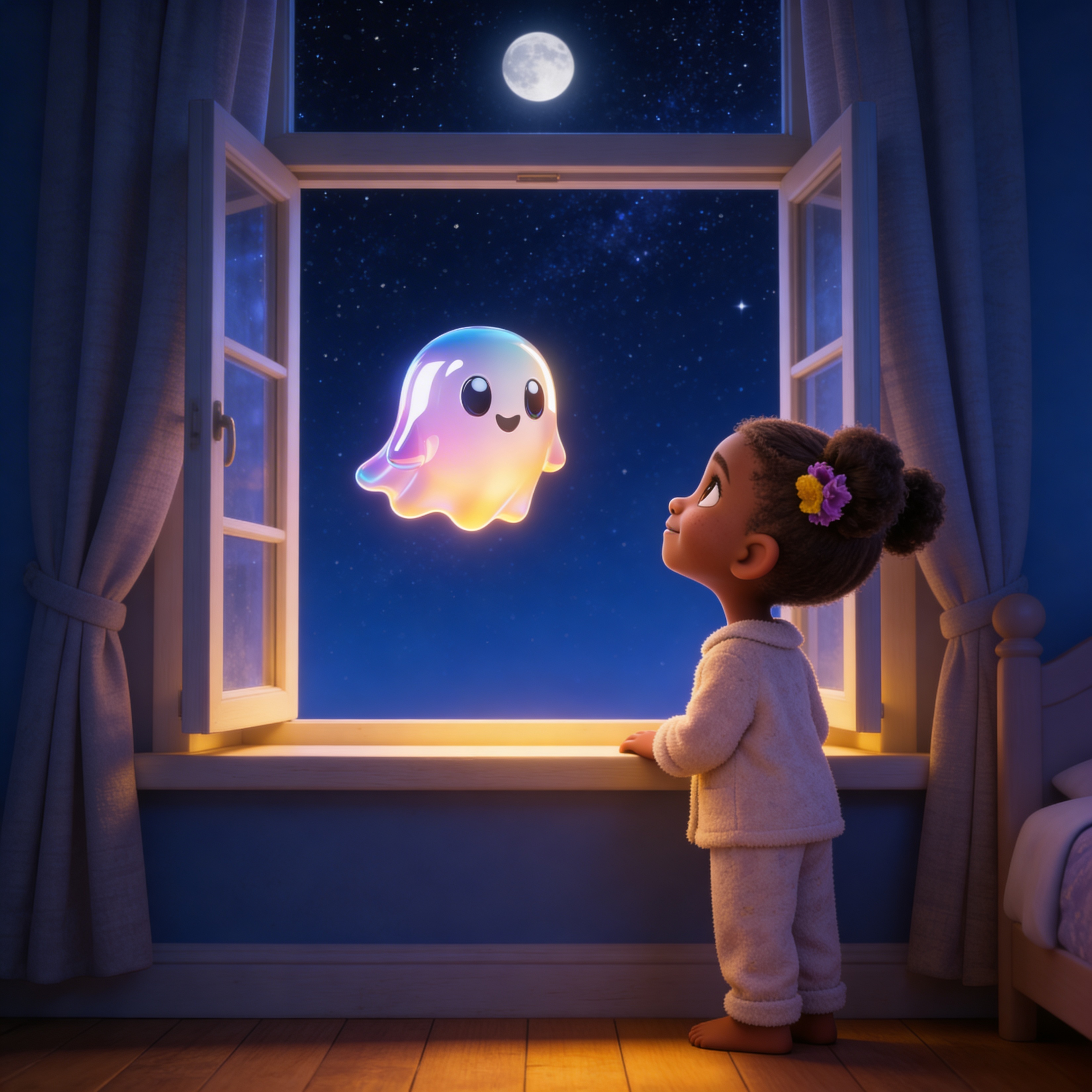
The Night We Found the Stars is a personalised bedtime story where your child discovers that the dark isn't something to fear. Upload a photo and see them as the hero in 60 seconds.
Explore our books
Funny, heartwarming picture books about big feelings — on Amazon and as personalized storybooks.
Browse our booksEnjoyed this post?
Get new stories, free coloring pages, and book recommendations — straight to your inbox.
No spam, unsubscribe anytime.